Step 1


Keep your capital working. Stop handing it to the IRS.
You've built equity in an investment property. Now you want to move that capital into something better without losing a significant chunk of it to capital gains taxes. That's exactly what a 1031 exchange is designed to do.
Done right, a 1031 exchange lets you sell one investment property and roll the proceeds into another, deferring federal and state capital gains taxes in the process. It's one of the most powerful wealth-building tools available to real estate investors, and Colorado's Front Range is one of the strongest markets in the country to deploy it.
My name is Kris Rogers. I'm a Colorado native and the founder of Premier Colorado Property. I've completed multiple 1031 exchange transactions across the Colorado Front Range and I work with investors at every level, from someone doing their first exchange to seasoned portfolio holders looking to reallocate and grow. I approach investment real estate the way a financial advisor would: strategically, with your long-term wealth picture in mind, not just the next transaction.

A 1031 exchange, named after Section 1031 of the Internal Revenue Code, allows a real estate investor to sell an investment property and reinvest the proceeds into a like-kind property while deferring capital gains taxes on the sale.
Without a 1031 exchange, selling an investment property triggers capital gains taxes at the federal level and Colorado state level. Depending on your basis and holding period, that tax bill can consume 20 to 30 percent or more of your gain. A 1031 exchange defers that tax indefinitely as long as you keep exchanging into qualifying properties.

These rules have hard deadlines. Missing the 45-day identification window or the 180-day closing window kills the exchange and triggers the full tax liability. Working with a real estate agent who understands the timeline pressure of a 1031 exchange is not optional. It's essential.

The I-25 growth corridor from Colorado Springs to Fort Collins is one of the most consistent real estate appreciation markets in the country. Population growth, job growth, and infrastructure investment are driving demand in markets that were considered secondary just ten years ago.
Windsor and Severance in Northern Colorado are seeing some of the fastest residential growth in the state. Greeley and Loveland are attracting industrial and commercial investment. Brighton, Thornton, and the Denver metro remain high-demand rental markets with strong occupancy rates. Colorado Springs and the Pikes Peak region continue to benefit from military presence and a growing tech sector.
If you're an investor looking to deploy 1031 exchange capital in a market with strong fundamentals, Colorado's Front Range deserves a serious look. And if you already own investment property in Colorado and are thinking about when and how to exchange out of it, the current market conditions are worth a real conversation.
I know these markets from 30 years of lived experience across the corridor. I'm not reading a market report. I'm telling you what I've watched happen on the ground.
Whether you're executing your first 1031 exchange or you're a seasoned investor reallocating a multi-property portfolio, I work with you as a strategic partner, not just a transaction agent.
I help investors:
Identify the right time to sell and exchange based on market conditions and their personal tax situation
Find replacement properties across the Colorado Front Range that fit their investment strategy
Navigate the 45-day identification and 180-day closing requirements without missing a deadline
Connect with qualified intermediaries, 1031 exchange attorneys, and CPAs who specialize in these transactions
Evaluate investment property performance and identify when an exchange makes more strategic sense than holding
I also own investment property myself. My new build in Fort Lupton is scheduled for completion in August 2026 and will become a rental property. I talk to investors as someone who thinks about this the same way they do.
If you're a CPA or financial advisor whose clients hold investment real estate in Colorado, I want to be your real estate resource.
Your clients come to you with capital gains questions. Sometimes the right answer involves a 1031 exchange, a Delaware Statutory Trust, or a repositioning of their real estate holdings. When that conversation happens, I can be the real estate expert in the room.
I understand the financial side of investment real estate well enough to have a productive conversation with you and your clients without needing to be walked through the basics. I know when to refer to a qualified intermediary and a 1031 exchange attorney, and I know how to coordinate with your team throughout the transaction.
I'd welcome a conversation about how we can work together when real estate comes up in your client planning.
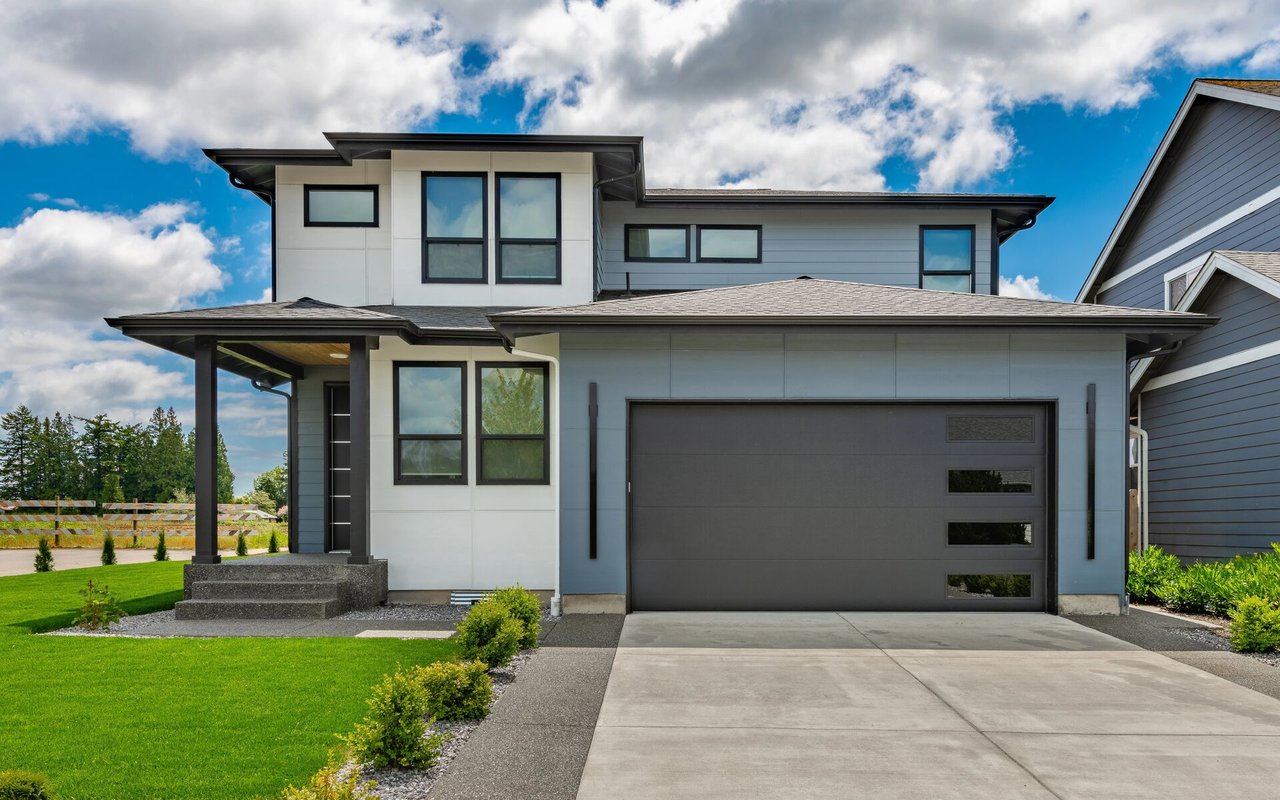
A Delaware Statutory Trust is an alternative 1031 exchange replacement property option that allows investors to own a fractional interest in a large commercial real estate asset managed by a professional sponsor. Instead of buying and managing a replacement property yourself, you invest your exchange proceeds into a DST alongside other investors and receive passive income without the landlord responsibilities.
DSTs are worth understanding if:
DSTs are securities products and must be offered by licensed broker-dealers. I am not a securities dealer and do not sell DST investments. However, I work alongside financial professionals who specialize in DSTs and can refer you to the right resource if a DST makes sense for your situation. My job is to make sure you understand all the options available, not just the ones I directly provide.
Every divorce situation is different, but here is a general overview of how the home sale typically works and where I fit into the process.
Step 1
The biggest mistake investors make is deciding to do a 1031 exchange after they've already accepted an offer. The qualified intermediary must be engaged before the sale closes. Ideally, we are having this conversation before your property ever hits the market so the exchange is structured correctly from the start.
Step 2
A qualified intermediary (QI) is a third party who holds your exchange proceeds between the sale of your relinquished property and the purchase of your replacement property. You cannot take possession of the funds at any point during the exchange without disqualifying it. I can refer you to qualified intermediaries I've worked with in Colorado.
Step 3
The clock starts the day your relinquished property closes. From this point, you have 45 calendar days to identify your replacement property and 180 calendar days to close on it. These are hard IRS deadlines. No extensions.
Step 4
You can identify up to three potential replacement properties regardless of value (the three-property rule), or more properties under certain valuation rules. Your identification must be submitted in writing to your qualified intermediary before the 45-day deadline. I work with you to identify strong replacement candidates across the Colorado Front Range within this window.
Step 5
I help you move through due diligence, negotiate the best terms, and close within the 180-day window. The qualified intermediary releases your funds directly to the closing. You never touch the money.
Step 6
Your CPA files IRS Form 8824 with your tax return for the year of the exchange. Your capital gains are deferred, not eliminated. When you eventually sell the replacement property without exchanging again, the deferred gain becomes taxable. Many investors continue exchanging until death, at which point heirs receive a stepped-up basis and the deferred gain is eliminated entirely.

I'm a Colorado native who has spent 30 years learning this state from multiple angles: property management, construction, land analysis, and now real estate. I understand investment property from the operational side, not just the transaction side.
I've completed multiple 1031 exchange transactions and I understand the timeline pressure, the identification strategy, and the coordination required to execute one successfully. I don't just help you find a replacement property. I help you think through whether the exchange makes sense in the first place, which markets align with your investment strategy, and how the replacement property fits into your long-term wealth picture.
That's what I mean by Colorado Real Estate Wealth Advisor. I'm not here to close a deal and move on. I'm here to be the real estate resource in your corner for the long term. The investor who calls me when they're thinking about selling, not after they've already listed.
I serve investors across the Colorado Front Range from Colorado Springs to the Wyoming Border, including Brighton, Westminster, Fort Collins, Loveland, Greeley, Windsor, Severance, Firestone, Frederick, and Falcon.
The IRS gives you two key deadlines regardless of which state you are in. You have 45 calendar days from the closing of your relinquished property to identify potential replacement properties in writing. You have 180 calendar days from that same closing date to close on your replacement property. These deadlines are firm and apply the same way in Colorado as they do anywhere in the United States. Missing either deadline disqualifies the exchange and triggers full capital gains tax liability.
The term like-kind is broader than most investors realize. In Colorado and throughout the United States, like-kind simply means that both the relinquished property and the replacement property must be held for investment or business use. You can exchange a residential rental property for a commercial building, raw land for a rental home, or a single-family rental for a multi-family property. The specific property type does not have to match. What matters is the investment intent.
Yes. A 1031 exchange can involve properties in different states. You can sell an investment property in Colorado and purchase a replacement property anywhere in the United States, or sell a property in another state and exchange into Colorado real estate. The IRS rules apply nationally. The state tax implications may vary, and your CPA should advise on any Colorado-specific tax considerations for your situation.
If you do not identify a replacement property within the 45-day window, the exchange is disqualified. Your qualified intermediary releases the funds back to you, and the full capital gains tax becomes due on the sale of your relinquished property. This is one of the most common and most avoidable mistakes in a 1031 exchange. The solution is to start identifying potential replacement properties before your relinquished property closes, not after.
A reverse 1031 exchange allows you to acquire the replacement property before you sell the relinquished property. This is useful in competitive markets where you need to move quickly on a replacement property but haven't yet sold your existing investment. Reverse exchanges are more complex and more expensive than forward exchanges because the exchange accommodation titleholder must hold title to one of the properties during the process. They are a legitimate strategy but require careful coordination with a qualified intermediary and exchange attorney from the very beginning.
Colorado's Front Range has consistently been one of the stronger real estate investment markets in the country over the past decade. Population growth, employment diversity, and limited housing supply in key markets along the I-25 corridor have supported both appreciation and rental demand. Northern Colorado markets including Fort Collins, Loveland, Greeley, Windsor, and Severance are seeing significant growth and are attracting investor interest that was previously concentrated in Denver. Colorado Springs and the Pikes Peak region offer strong rental fundamentals supported by military and government employment. For investors deploying 1031 exchange capital, Colorado offers a range of markets with different risk and return profiles worth evaluating.
You do not legally need a specialist agent, but you need an agent who understands the 1031 timeline, the coordination with the qualified intermediary, and the specific requirements of investment property transactions. An agent who has never been through a 1031 exchange may not understand why the identification deadline matters, why the qualified intermediary must be in place before closing, or how to structure contingencies in a way that protects the exchange. Working with an agent experienced in 1031 transactions reduces the risk of a preventable mistake that costs you the tax deferral.
Whether you're thinking about executing a 1031 exchange, evaluating investment property along the Colorado Front Range, or just want to talk through your options with someone who thinks about real estate the way an investor does, I'm here.
I'll give you a straight read on the market, help you think through the strategy, and tell you honestly if the timing makes sense. No pressure. Just a real conversation.
Call or text me directly at (720) 704-4264, or fill out the contact form below and I'll get back to you the same day.
Premier Colorado Property | Kris Rogers
Colorado Springs to the Wyoming Border. Mountains to the Plains.
Are you a CPA or financial advisor whose clients hold investment real estate in Colorado? I'd welcome a conversation about how we can work together when real estate comes up in their planning.