

Let's figure out where you actually fit.
You've done the research. You've looked at Zillow listings in six different cities. You've read the articles about the best places to live in Colorado. And you still don't feel like you really know the difference between Fort Collins and Loveland, or why Brighton might be the right call instead of Westminster, or what it actually feels like to live in Colorado Springs versus the north Denver suburbs.
That's because you can't get that from a search engine. You get it from someone who has actually lived it.
My name is Kris Rogers. I'm a Colorado native who has spent my entire life across this state, from Colorado Springs in the south to Fort Collins in the north, mountains to plains. I'm not a relocation specialist who memorized a market guide. I'm the guy who grew up in Falcon, went to CSU, managed properties across Northern Colorado for years, and has watched every market along this corridor grow and change from the inside.
If you're moving to Colorado, I can tell you things about these communities that you will not find on any website. And I can help you find a home that fits not just your budget but the life you're actually trying to build here.
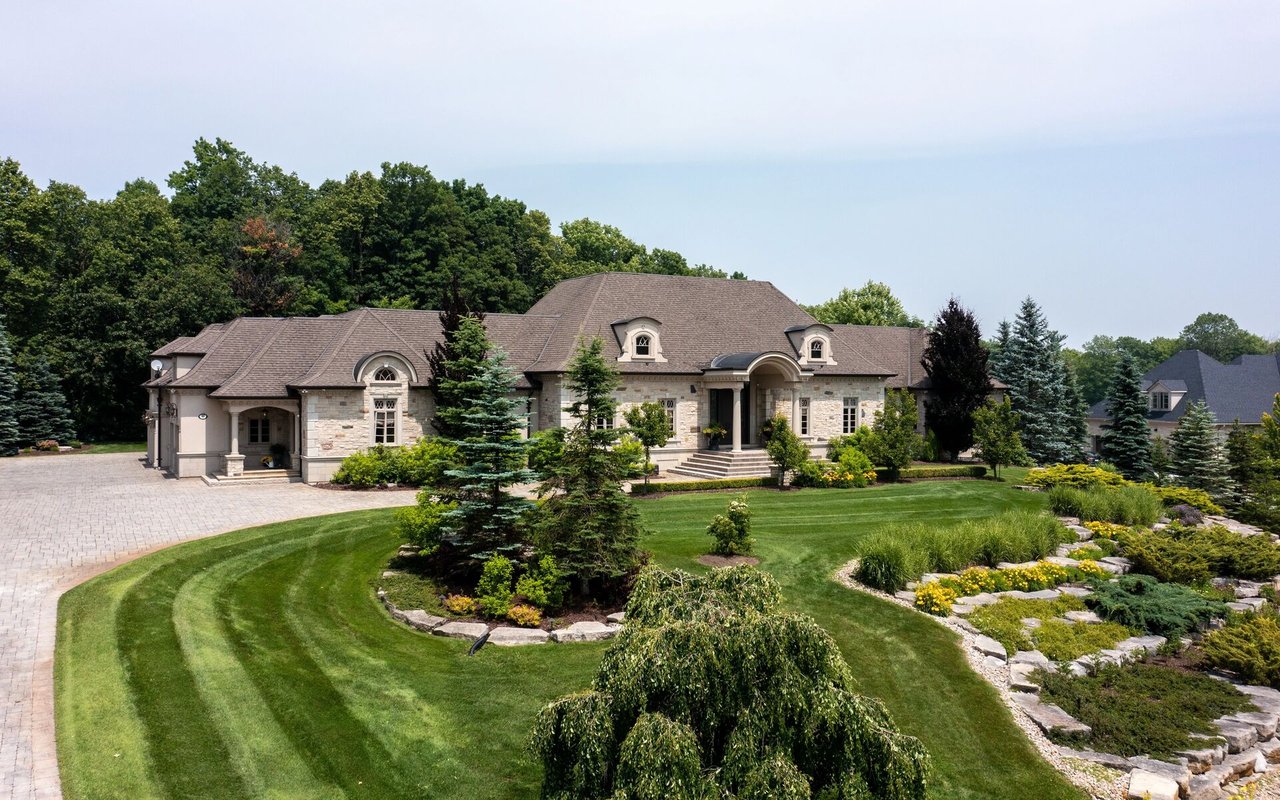
Colorado has been one of the fastest-growing states in the country for over a decade and the Front Range corridor is where most of that growth is landing. People come for the outdoor lifestyle, the job market, the weather, and the quality of life. They stay because Colorado has a way of getting into your blood.
The Front Range stretches from Pueblo in the south to Fort Collins and the Wyoming border in the north, with Denver in the middle. Most people relocating to Colorado land somewhere along this corridor because that's where the jobs, the schools, the infrastructure, and the housing inventory are.
What many people don't realize until they start looking is how different each community along the Front Range actually is. The right market for a remote worker who wants mountain access every weekend is not the same as the right market for a family prioritizing school districts, or a retiree looking for a quieter pace, or a young professional building their first investment property alongside their primary residence.
That's the conversation I want to have with you before you start making offers.
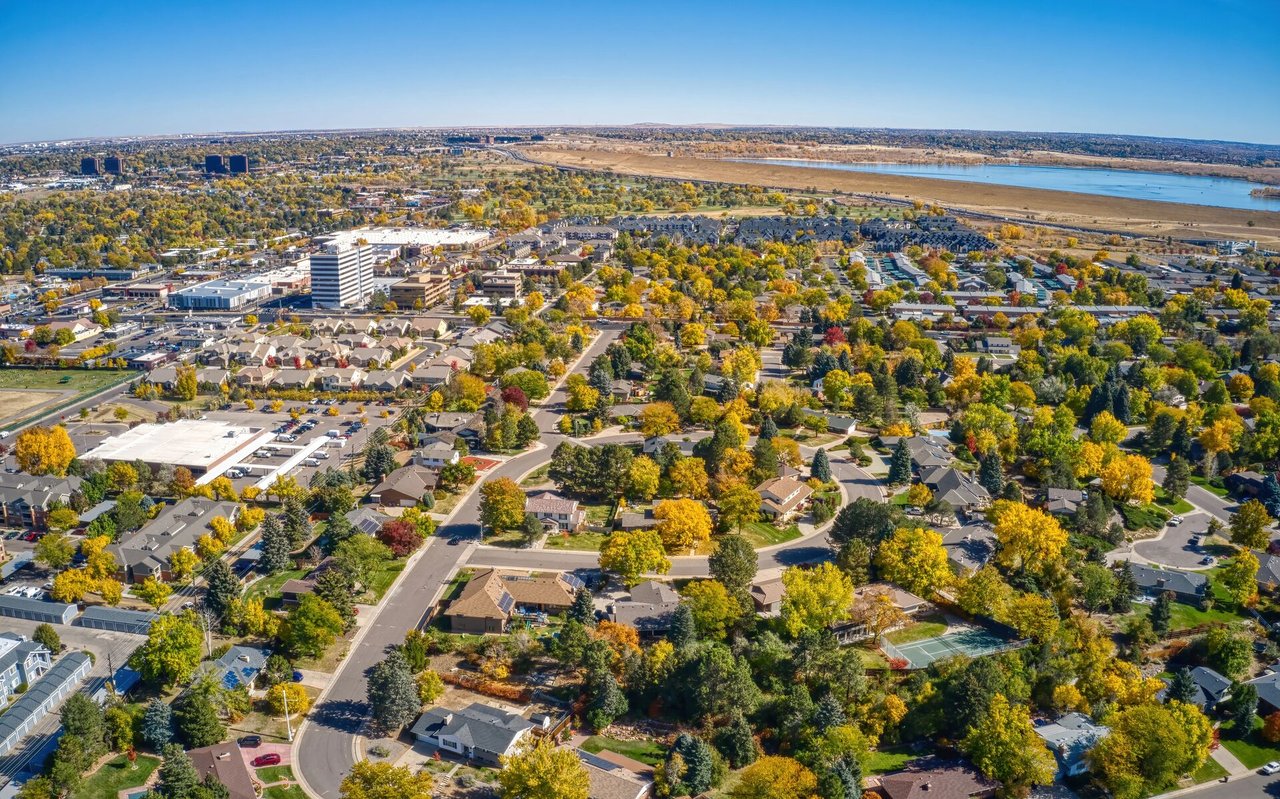
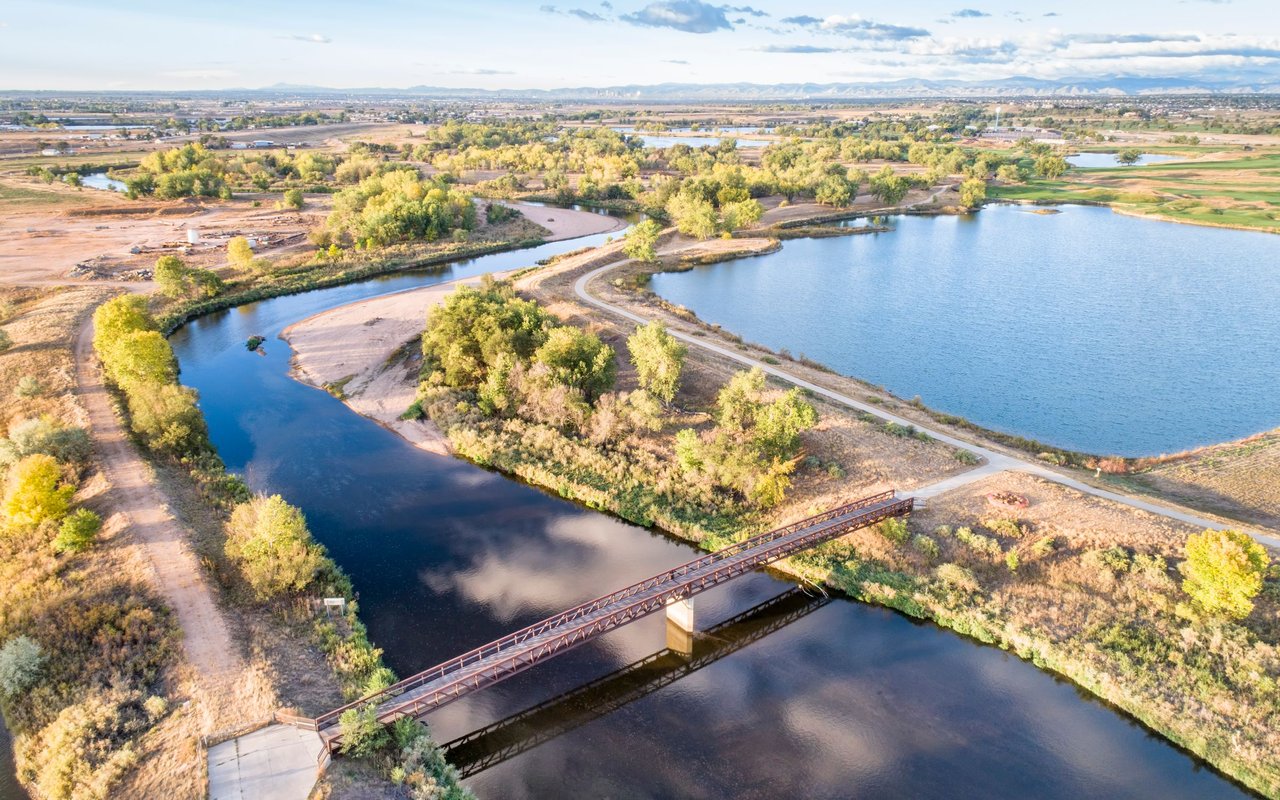
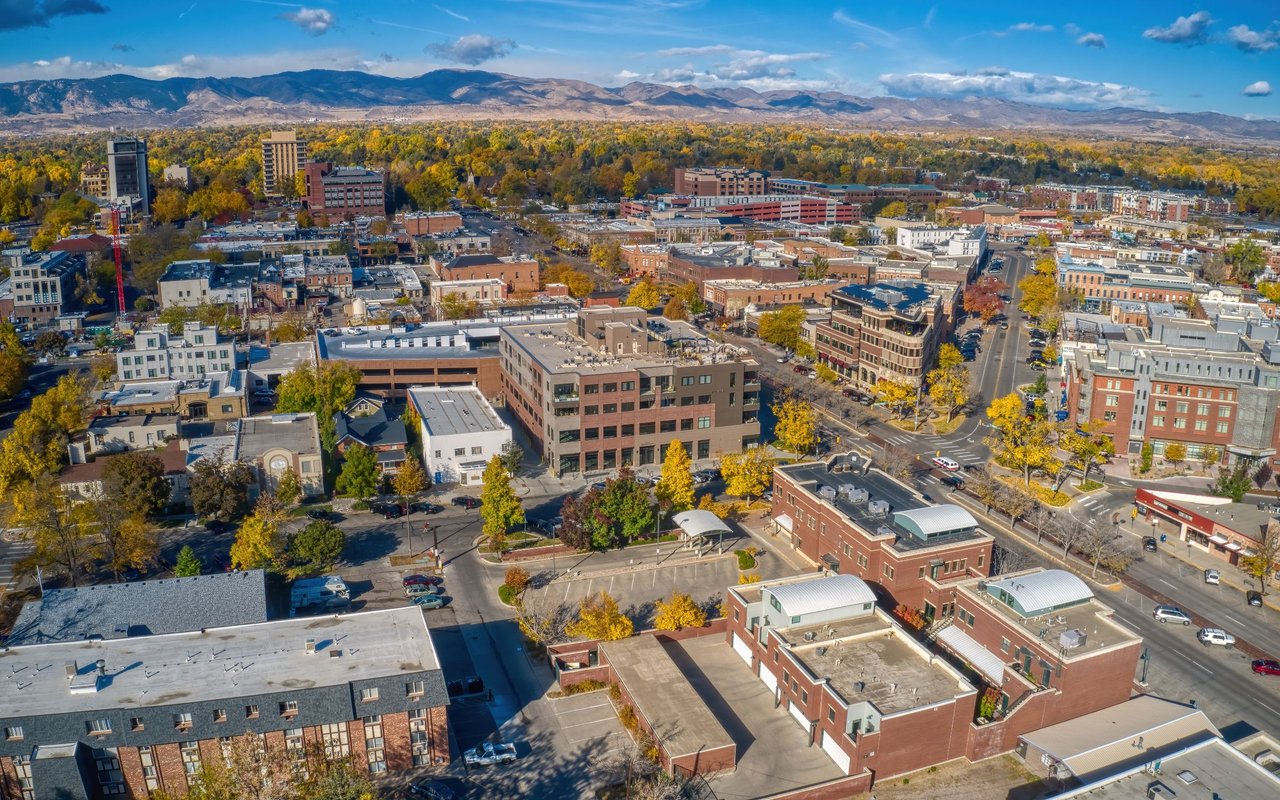
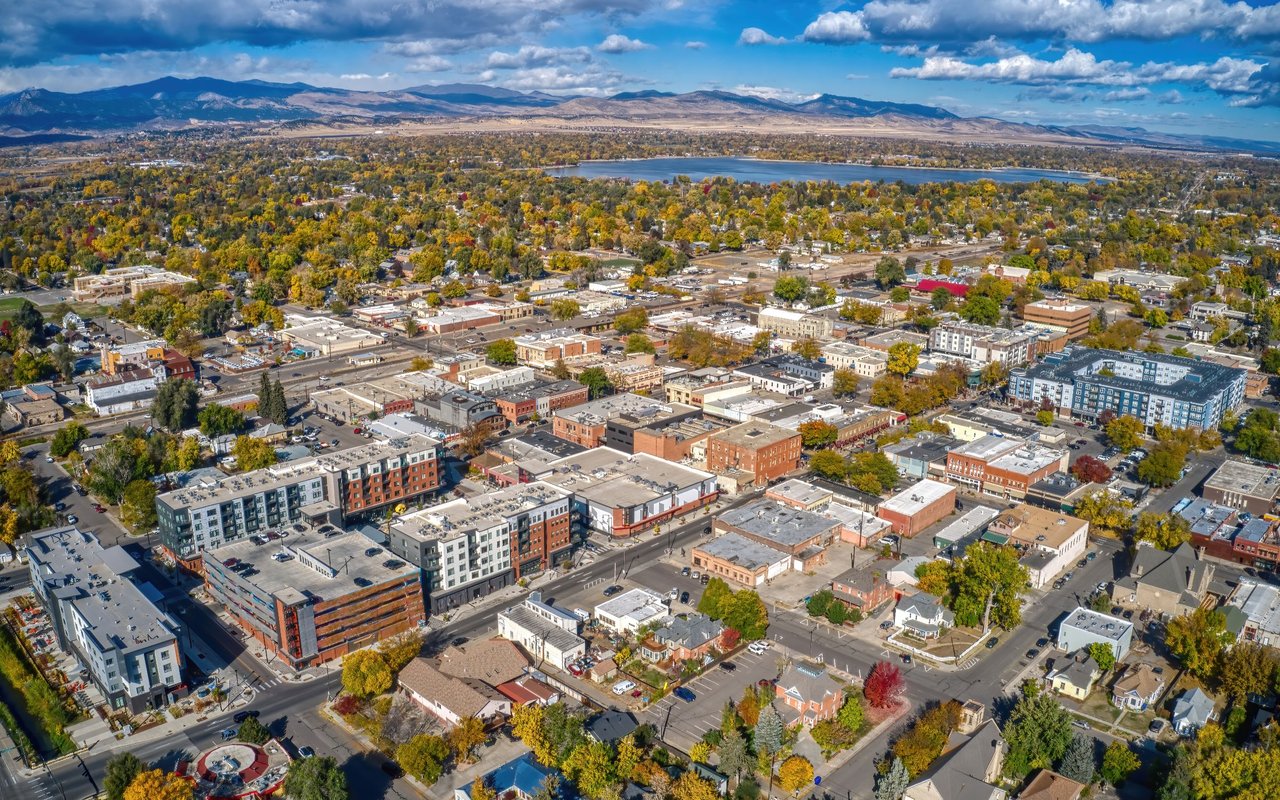
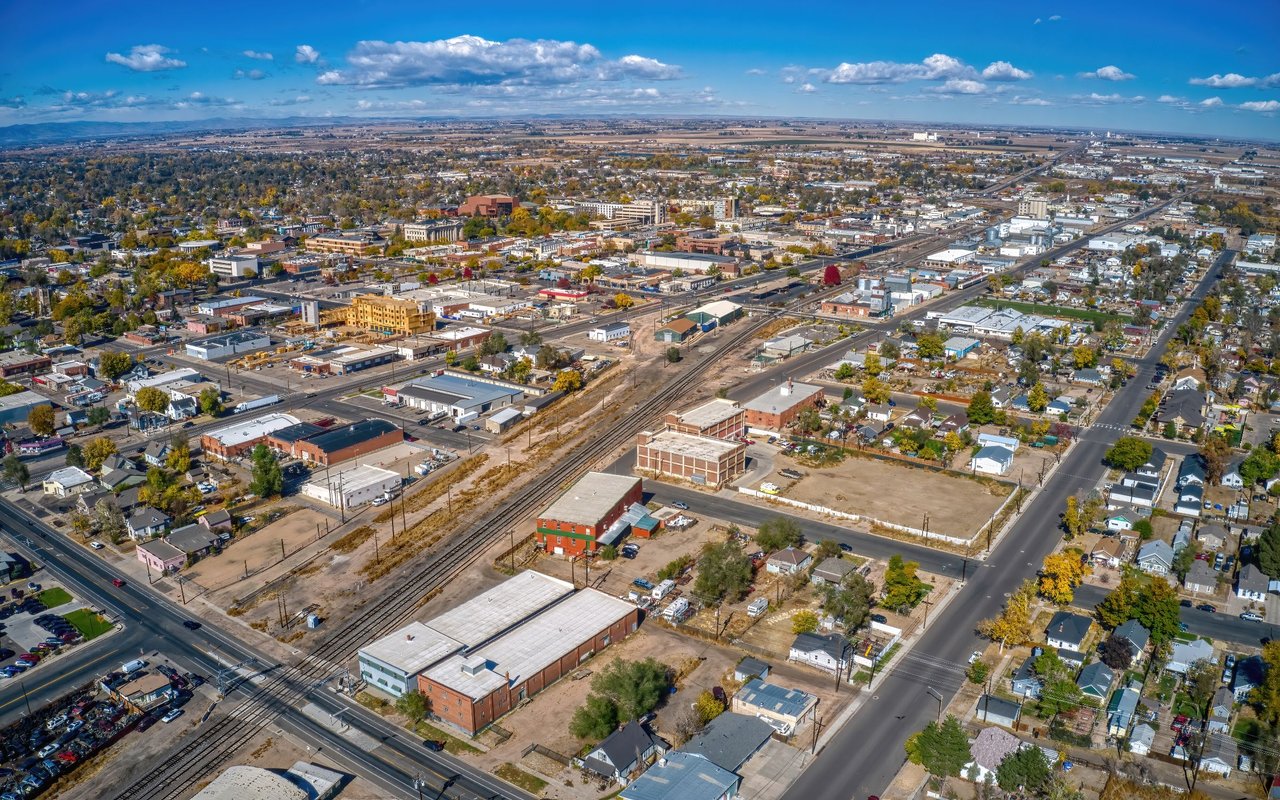
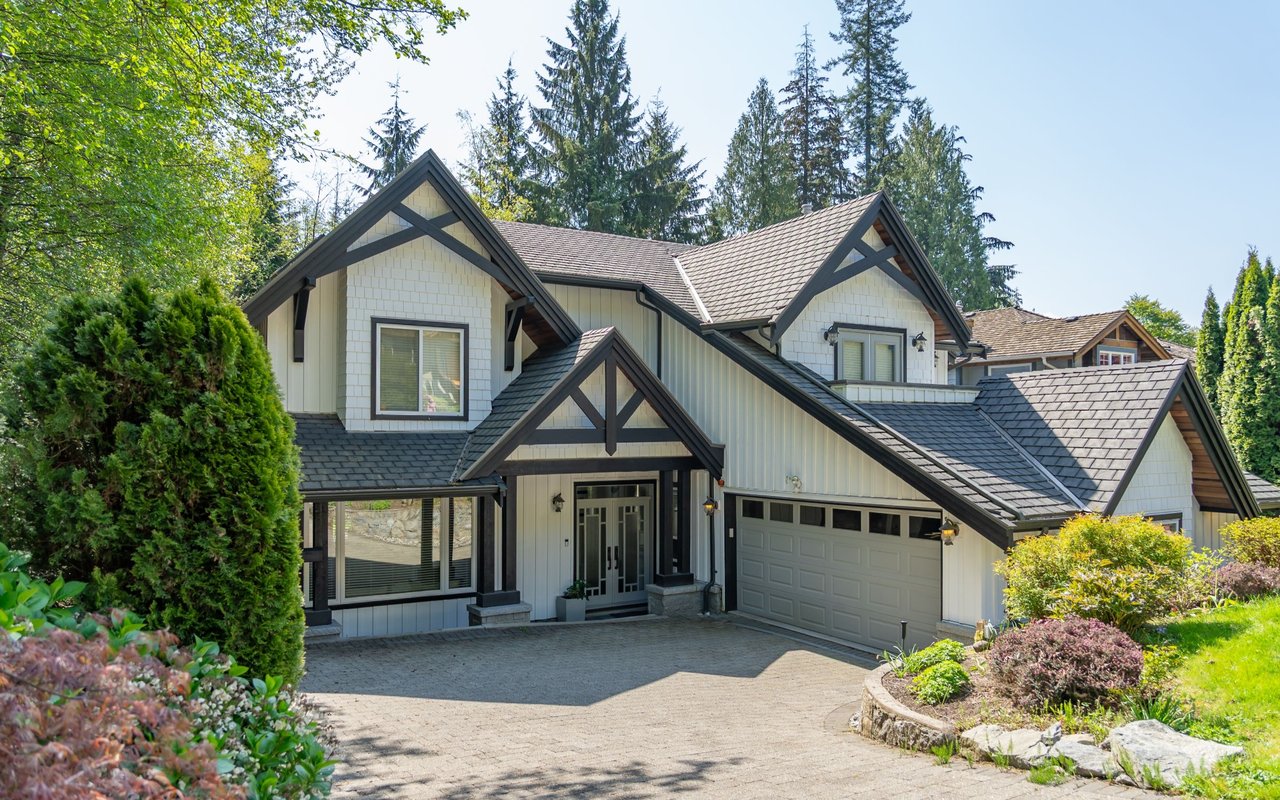
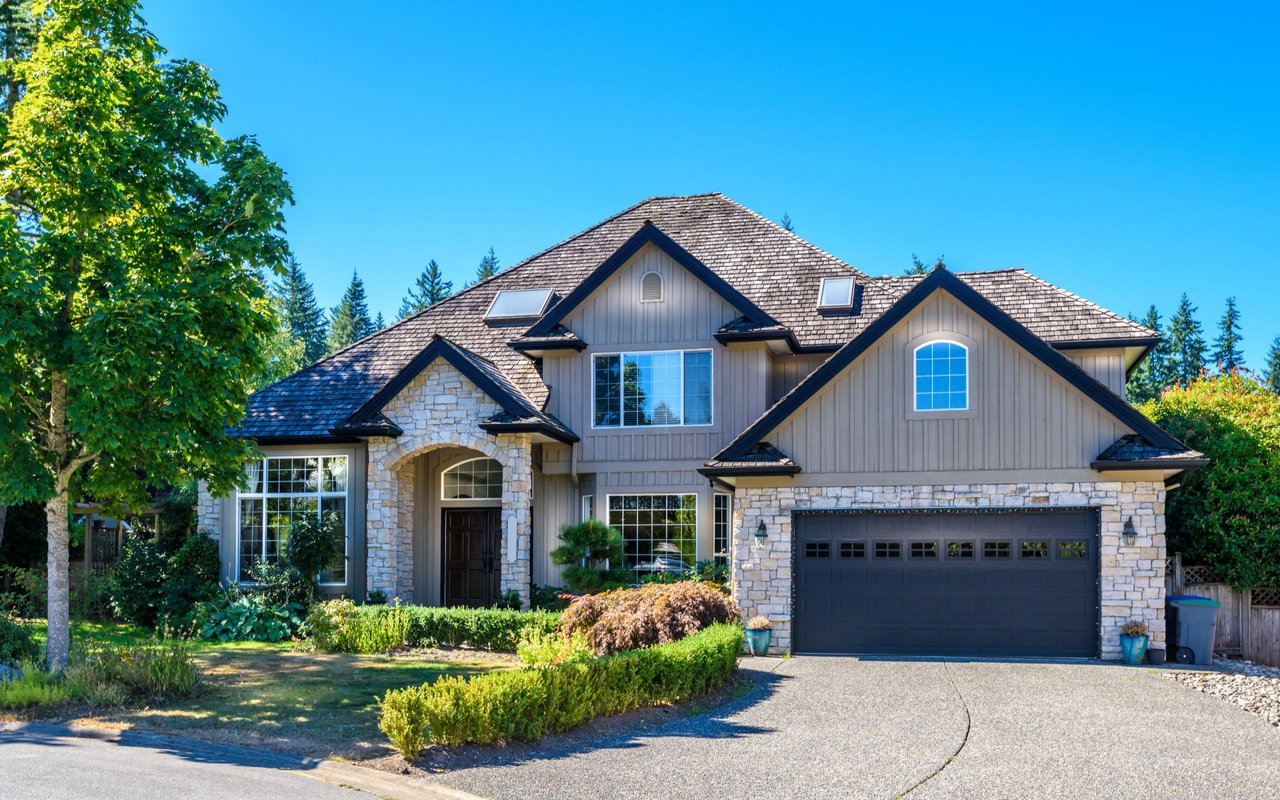
Buying a home from out of state is a different process than buying locally. You may only have one or two weekends to see properties in person. You might be making offers sight-unseen on a competitive property. You're trying to understand school districts, commute times, neighborhood character, and long-term appreciation potential for markets you've only visited a few times.
Here's how I approach it:
Before I send you a single listing, I want to understand what you're actually looking for. Not just bedrooms and bathrooms. Your lifestyle, your commute situation, your plans for the property over the next five to ten years, whether you're thinking about this as a wealth-building asset or purely as a home. That conversation changes everything about where we focus.
I'm not going to tell you Fort Collins is perfect if your budget fits Brighton better, or that Colorado Springs is the answer when you actually need to be within 20 minutes of a Denver tech corridor. I give you the straight read on what each market is actually like and let you decide where you want to focus.
If you can't be here in person, I'll walk properties for you on video so you can see things that photos never show. The noise from the nearby highway. The condition of the garage. The slope of the backyard. The stuff that matters when you're actually living there.
Moving to a new state means starting from zero on every local connection. Inspector, lender, contractor, property manager. I've been building those relationships across this corridor for years and I'm happy to share them.
Once you're here, I'm still your Colorado real estate resource. Whether that's a question about your neighborhood three years from now, a referral to a good contractor, or a conversation about when it might make sense to buy your next property. I build long-term relationships, not one-time transactions. Learn More
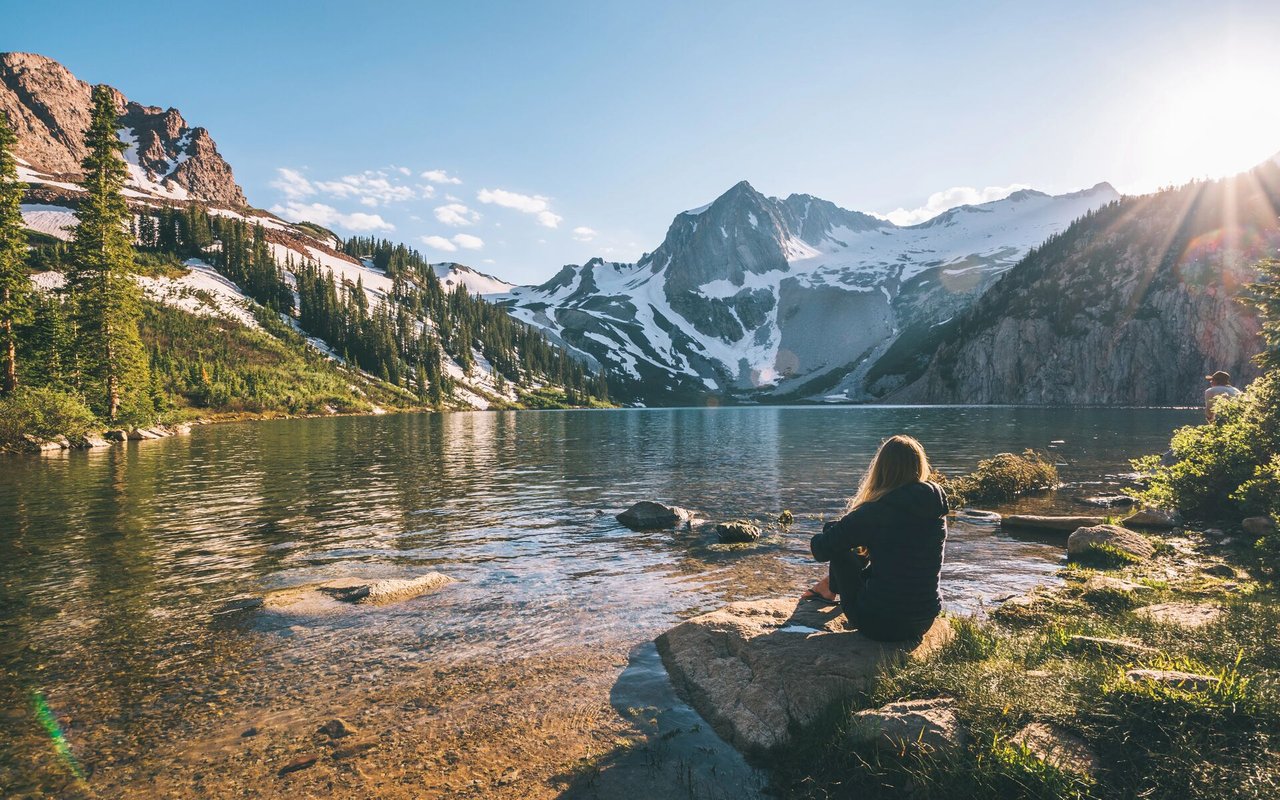
Most relocation agents know their specific market well. I know the whole corridor.
I grew up in Colorado Springs and Falcon. I went to school and worked in Fort Collins and Northern Colorado for nearly a decade. I managed properties across Fort Collins, Loveland, Greeley, and Wellington. I've watched Brighton, Thornton, Westminster, and the northeast Denver suburbs grow into what they are today. I own investment property in Fort Lupton. I fish the rivers and hike the trails from the Pikes Peak region to the Wyoming border.
When you ask me what it's actually like to live somewhere along the Colorado Front Range, I'm not consulting a market guide. I'm telling you from experience.
That's what you need when you're moving from out of state. Not someone who knows one zip code really well. Someone who can look at your whole picture and tell you honestly where you should be looking and where you shouldn't.
I serve clients from Colorado Springs to the Wyoming Border. Mountains to the plains. Whatever part of that corridor is right for you, I can help you find it.
There is no single best city because the answer depends entirely on your situation. Fort Collins consistently ranks among the most livable cities in the country and offers a strong downtown, CSU, and mountain access. Colorado Springs offers lower cost of entry, Pikes Peak, and a city with genuine character. Windsor and Severance are among the fastest-growing communities with top schools and a family-friendly atmosphere. Brighton and the northeast Denver suburbs offer value within metro commute range. The right answer for you depends on your budget, your lifestyle, your work situation, and what you want your daily life in Colorado to look like.
Colorado's Front Range real estate is priced above the national median, but there is significant variation across the corridor. Colorado Springs and the markets in Greeley, Brighton, and Firestone/Frederick offer meaningful value compared to Denver proper or Fort Collins. Northern Colorado markets have appreciated significantly over the past decade but still offer better price-to-square-footage ratios than comparable markets in California, Texas, or the Pacific Northwest. Working with a local expert who knows where the value is across the corridor makes a significant difference in what you are able to find for your budget.
Yes, and many out-of-state buyers do. A good buyer's agent will do video walkthroughs, FaceTime tours, and thorough due diligence on your behalf so you can make an informed offer even before you've seen the property in person. The key is working with an agent you trust to give you an honest assessment of the property, the neighborhood, and the value. Remote purchases require more trust in your agent, which is why it's worth taking the time to find the right one before you start making offers.
In Colorado, a typical home purchase takes 30 to 45 days from accepted offer to closing in standard market conditions. In competitive markets or with complex financing, it can take longer. For out-of-state buyers, the process often involves more upfront preparation including getting pre-approved with a Colorado-familiar lender, doing market research remotely, and being ready to move quickly when the right property comes up. The more prepared you are before you start seriously searching, the smoother the process tends to go.
Colorado weather is genuinely different from most of the country and worth understanding before you move. The Front Range gets 300 days of sunshine per year on average, which surprises most people. Snow happens but it typically melts quickly along the corridor, especially at lower elevations. Winters are manageable by most standards. The bigger adjustment for most transplants is the altitude, especially if you are coming from sea level. The dryness is also real. Your skin, your sinuses, and your houseplants will all need a period of adjustment. None of this is a reason not to come. It's just worth knowing.
Windsor and Severance consistently rank among the top family communities in Colorado for school quality, safety, and community feel. Fort Collins has several strong family neighborhoods and benefits from the CSU ecosystem. Monument and Palmer Lake just north of Colorado Springs are popular with families who want a mountain community feel with good schools and lower density than the Springs proper. Brighton and Firestone/Frederick offer newer construction with good schools at more accessible price points than the more established northern communities. The best answer for your family depends on school priorities, budget, commute, and the lifestyle you are building.
In Colorado, buyer's agents are compensated through the transaction, typically from the seller's proceeds, so using a buyer's agent generally costs you nothing out of pocket. What you get is someone whose job is entirely to represent your interests: finding properties that fit your criteria, advising on offer strategy, navigating inspections and due diligence, and making sure you don't miss anything important in the contract. For an out-of-state buyer who doesn't know the local market, a buyer's agent is not just helpful. It's how you avoid making a very expensive mistake on a property you've only seen on a screen.
Whether you know exactly where you want to be or you're still trying to figure out which part of the Front Range is right for you, let's talk. I'll give you an honest read on the markets, help you narrow down your search, and make sure you end up in the right place for the life you're trying to build here.
Colorado Springs to the Wyoming Border. I know all of it. Let's find where you fit.
Call or text me directly at (720) 704-4264, or fill out the contact form below and I'll get back to you the same day.
Premier Colorado Property | Kris Rogers
Colorado Springs to the Wyoming Border. Mountains to the Plains.